Choosing the Right Optic for Your AR-15

Red Dot, LPVO, ACOG, or Traditional Scope?

Selecting an optic for an AR-15 is fundamentally a decision about use-case alignment—not equipment preference. Engagement distance, speed vs. precision requirements, environmental conditions, and budget all converge to determine the optimal solution. Each optic category—red dots, LPVOs, prism optics such as the Trijicon ACOG, and traditional rifle scopes—solves a different problem. This article expands on those distinctions with practical context, real-world scenarios, and decision-making guidance.

🔴 Red Dot Sights

Why this category matters

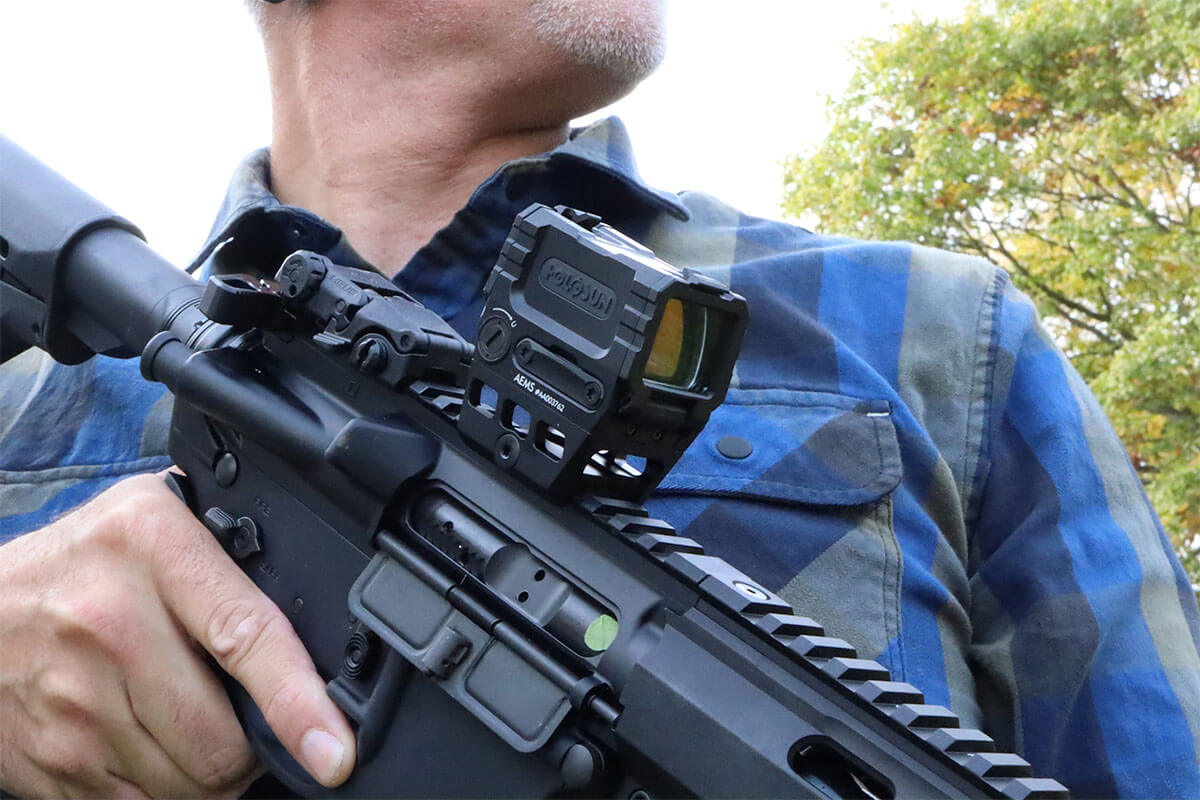
Red dots represent the baseline capability for modern carbines. If your primary concern is speed, simplicity, and reliability at close range, this is the benchmark against which all other optics are measured.

https://cdn11.bigcommerce.com/s-16115g8ghe/images/stencil/1280x1280/products/3312/10971/200198_Micro_T-2_810_4039_w_Ed_Aimpoint_1920x1920px_150dpi__54833.1655303253.jpg?c=1
https://gunsweek.b-cdn.net/sites/default/files/archive/contents/optics/articles/eotech-exps3-holographic-sight/EoTech_-_EXPS3_holographic_sight_12.JPG?utm_campaign=EoTech_-_EXPS3_holographic_sight_12&utm_content=876a&utm_medium=image&utm_source=gunsweek&utm_term=Eotech
https://content.osgnetworks.tv/gunsandammo/content/photos/holsun-aems-red-dot-ar-001-1200x800.jpg

Real-world scenario

A homeowner responding to a potential threat at night inside a house or yard:

  • Engagement distances: 5–25 yards
  • Lighting: inconsistent
  • Shooting position: imperfect

👉 A red dot allows instant target acquisition with both eyes open, no magnification, and no need to “find the sight picture.”

Expert / user perspective

“If I could only have one optic for defensive use under 100 yards, it’s a red dot—no contest.” — common sentiment among law enforcement trainers

Budget & accessibility

  • Entry-level: $100–$250 (Holosun, Sig Sauer)
  • Mid-tier: $300–$600
  • Premium: $700+ (Aimpoint, EOTech)

👉 Best entry point for most shooters due to low cost and ease of use.

🔍 LPVO (Low Power Variable Optics)

Why this category matters

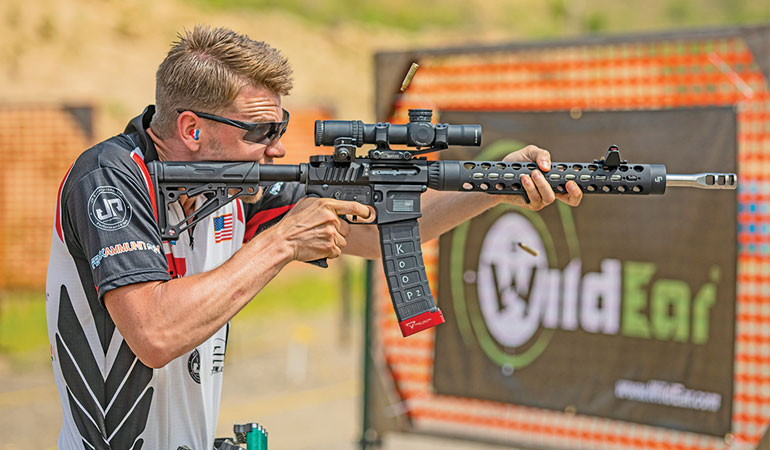
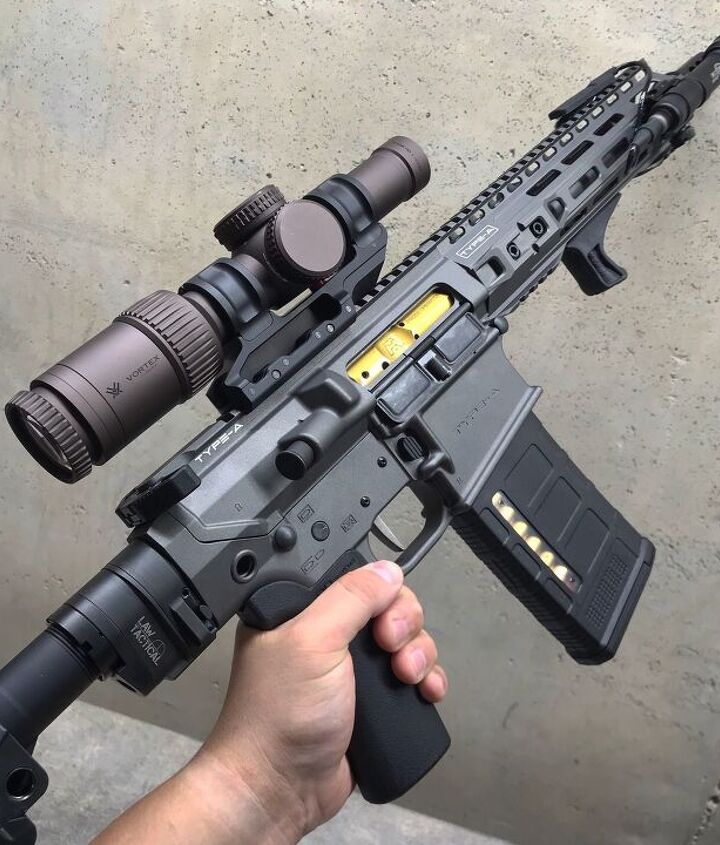
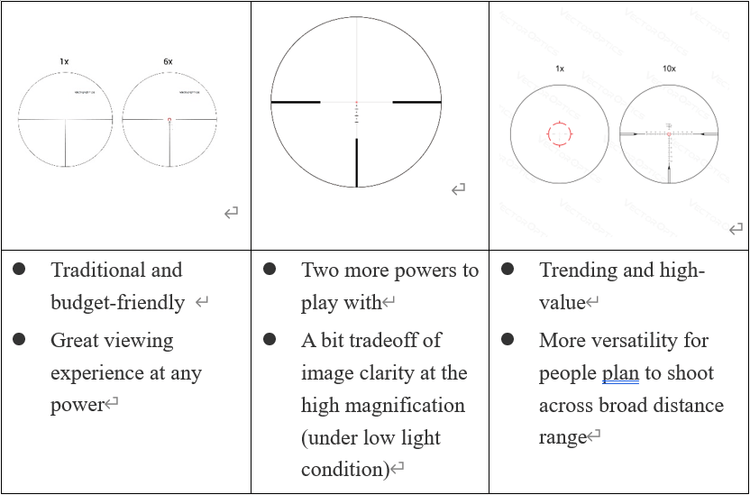
LPVOs are the most versatile optic class, bridging close-quarters speed and mid-range precision. They are often chosen when users want a single optic solution.
https://cdn-fastly.thefirearmblog.com/media/2024/05/19/14620477/tfb-review-vortex-razor-hd-1-6x24-gen-ii-e.jpg?nocrop=1&size=720x845
https://vector2007.com/cdn/shop/articles/16-520838_750x.png?v=1718241326
https://content.osgnetworks.tv/firearmsnews/content/photos/Modern-3-Gun-Scopes-Feature.jpg

Real-world scenario

A rural property owner spotting a coyote at 200 yards:

  • Needs identification (is it a threat?)
  • Needs precision shot placement
  • May also encounter close-range targets

👉 LPVO allows:

  • 1x for near targets
  • 4x–10x for distance engagement

Expert / user perspective

“LPVOs are the closest thing to a do-it-all optic—but you pay for that flexibility in weight and complexity.”

Budget & accessibility

  • Entry-level: $200–$400
  • Mid-tier: $500–$1,000
  • Premium: $1,200–$2,500+

👉 More expensive and training-intensive than red dots

🔺 ACOG / Prism Optics

Why this category matters

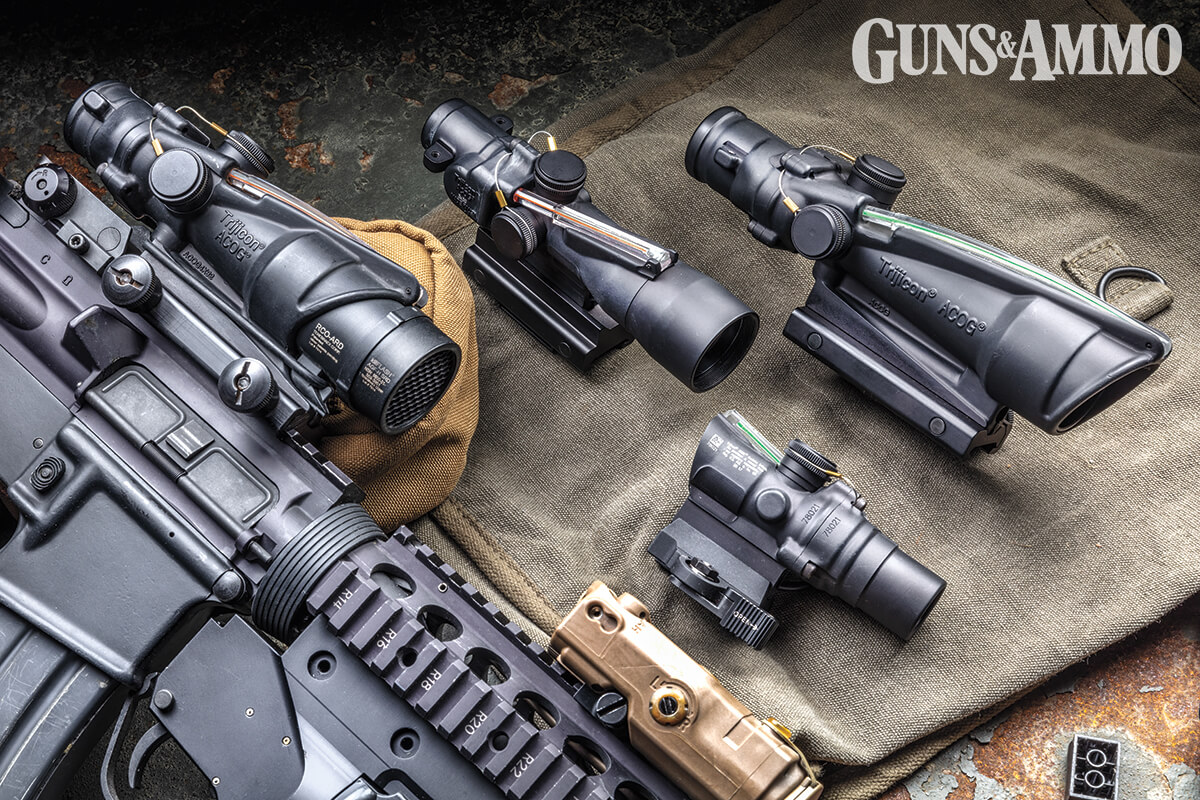
Prism optics like the Trijicon ACOG fill a unique niche: maximum reliability with optimized mid-range performance. They prioritize durability and simplicity over flexibility.

https://www.trijicon.com/uploads/product-uploads/TA31_315-75-1565030345.jpg
https://www.trijicon.com/uploads/product-uploads/product-downloads/308_chevron_Reticle_Dimensions4x32_Thumb.PNG
https://content.osgnetworks.tv/gunsandammo/content/photos/GAAD-Trijicon-ACOG-35-Years-01-1200x800.jpg

Real-world scenario

A deployed military rifleman or rugged field environment:

  • Engagements: 100–400 yards
  • Conditions: harsh (dust, impact, no battery support)

👉 ACOG provides:

  • Always-on illumination (no batteries)
  • Built-in BDC reticle for quick range holds
  • Extreme durability

Expert / user perspective

“ACOGs aren’t the most flexible—but they’re the most dependable when things go wrong.”

Budget & accessibility

  • Budget prism optics: $250–$500 (Primary Arms, Vortex)
  • ACOG: $1,000–$1,500+

👉 Higher upfront cost, but long-term reliability is unmatched

🔭 Traditional Rifle Scopes

Why this category matters

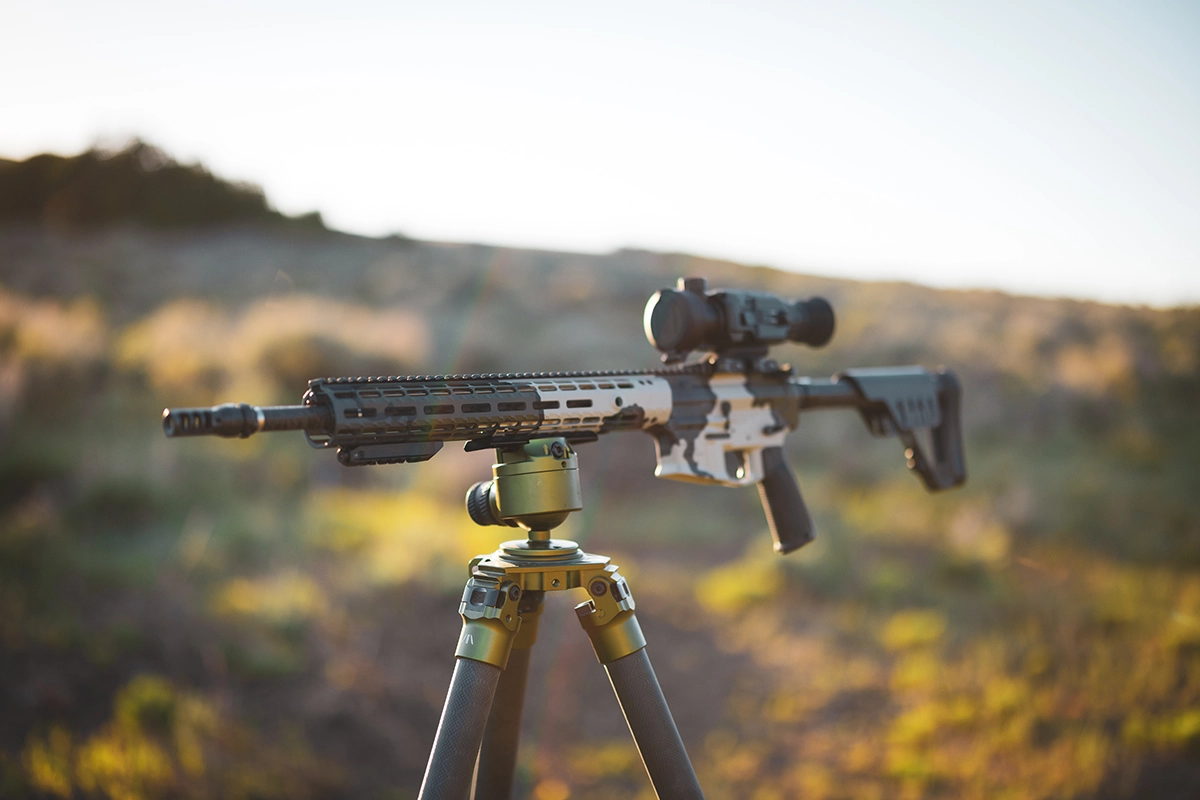
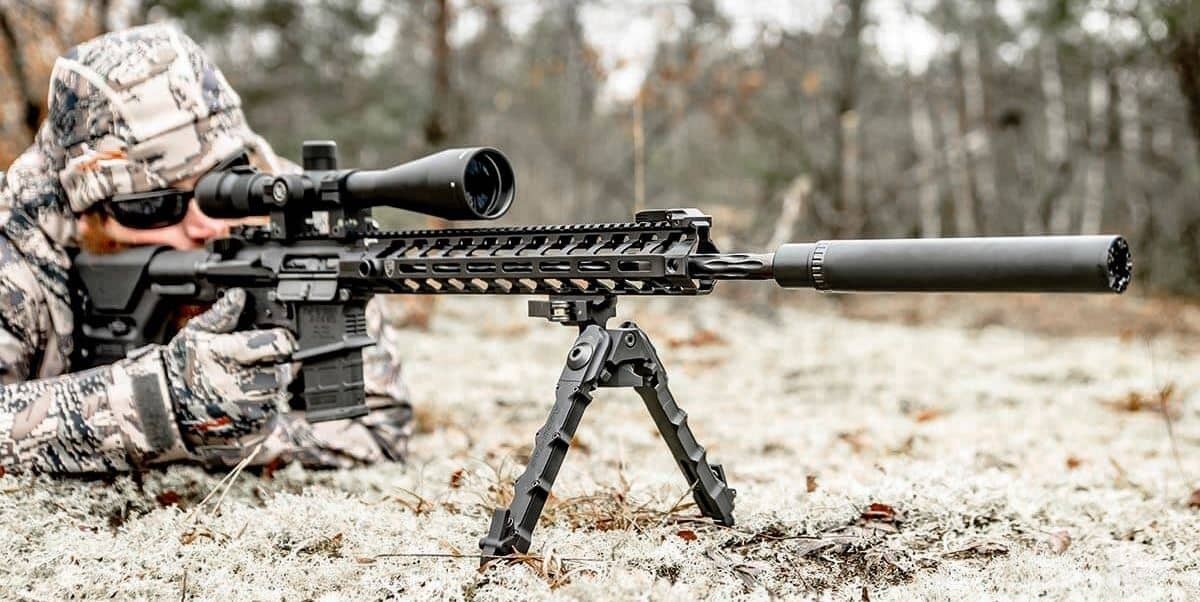
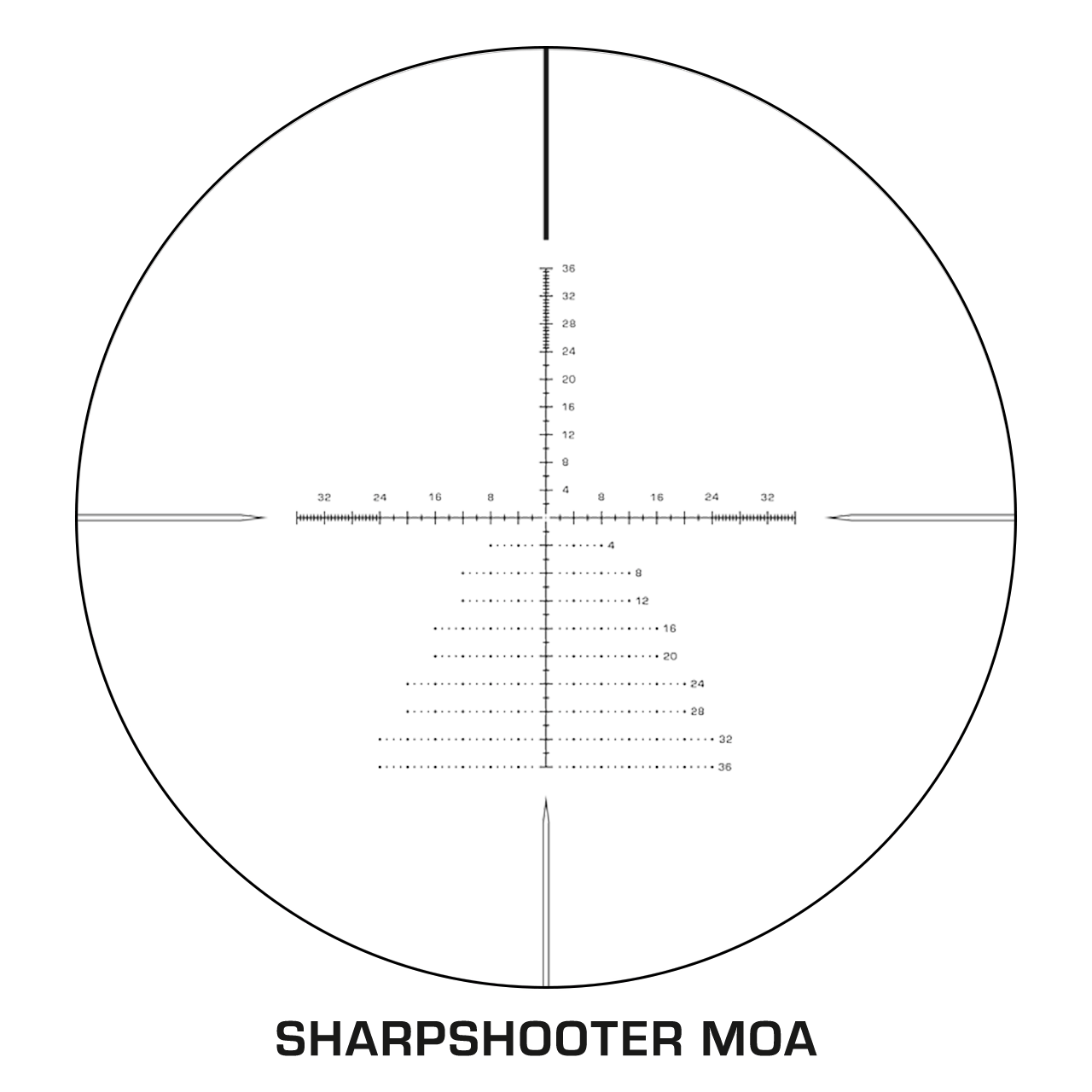
Traditional scopes exist for a specific purpose: precision at distance. They are not general-purpose optics but excel in controlled environments.
https://cdn11.bigcommerce.com/s-g64i9l/images/stencil/original/image-manager/aiming-long-range-rifle-bipod.jpg
https://cdn.sanity.io/images/21lfjblb/production/5cf9b2cf103d2ef7ef120cb17c958c9d00609e01-1280x1280.png?auto=format
https://www.agmglobalvision.com/image/catalog/Blog%20Photos/07-18-2024/Full-Build-Background.webp

Real-world scenario

A shooter engaging targets at 400–600 yards from a supported position:

  • Requires magnification and clarity
  • Speed is irrelevant
  • Stability is prioritized

👉 Traditional scopes deliver:

  • Maximum precision
  • Superior glass clarity
  • Fine reticle control

Expert / user perspective

“If your goal is accuracy at distance, nothing replaces a proper magnified scope.”

Budget & accessibility

  • Entry-level: $150–$400
  • Mid-tier: $500–$1,200
  • Premium: $1,500+

👉 Often overlaps in price with LPVOs but serves a narrower purpose.

⚖️ Comparative Overview (Visual Summary)

Key Performance Comparison

Attribute🔴 Red Dot🔍 LPVO🔺 ACOG / Prism🔭Traditional Scope
MagnificationNoneVariable (1–10x)Variable (1–10x)Fixed/High Variable
Close-Range SpeedExcellentGoodModeratePoor
Mid-Range PerformanceLimitedExcellentExcellentExcellent
Long-Range CapabilityLimitedGoodModerateExcellent
Ease of UseVery HighModerateHighModerate
DurabilityHighModerateVery HighModerate
WeightLightHeavyMediumHeavy
Eye Relief SensitivityNoneHighModerateHigh


CategoryClose RangeMid RangeLong RangeEase of UseWeightFlexibility
🔴 Red Dot⭐⭐⭐⭐⭐⭐⭐⭐⭐⭐⭐⭐⭐⭐⭐⭐⭐⭐⭐⭐
🔍 LPVO⭐⭐⭐⭐⭐⭐⭐⭐⭐⭐⭐⭐⭐⭐⭐⭐⭐⭐⭐⭐⭐⭐⭐
🔺 ACOG⭐⭐⭐⭐⭐⭐⭐⭐⭐⭐⭐⭐⭐⭐⭐⭐⭐⭐⭐⭐
🔭 Scope⭐⭐⭐⭐⭐⭐⭐⭐⭐⭐⭐⭐⭐⭐⭐⭐

👉 Interpretation:

  • More stars = stronger performance in that category
  • No optic dominates all categories

🧠 Decision Guidance (Putting It All Together)

Key Factors to Evaluate

  • Distance: Where will you actually shoot?
  • Speed vs Precision: Reaction vs accuracy priority
  • Environment: Indoor, outdoor, rugged, controlled
  • Budget: Entry vs long-term investment
  • Training Commitment: Simplicity vs capability

✅ Quick Recommendations


  • Choose Red Dot if:
    • You prioritize speed and simplicity
    • Most shooting is under 100 yards
    • You want the easiest and most affordable entry point
  • Choose LPVO if:
    • You want one optic to cover most scenarios
    • You regularly shoot 100–400+ yards
    • You are willing to accept weight and complexity
  • Choose ACOG / Prism if:
    • You prioritize durability and reliability
    • You operate primarily in the 100–400 yard range
    • You prefer a “set it and forget it” optic
  • Choose Traditional Scope if:
    • Your focus is precision shooting at distance
    • You shoot from stable positions
    • Speed is not a priority

Final Thoughts


At a technical level, optic selection is not a ranking exercise—it is an exercise in constraint management. Every optic category optimizes for a specific combination of variables: speed, precision, durability, weight, and adaptability. No solution maximizes all of them simultaneously, and attempts to do so inevitably introduce compromise elsewhere.

The most common mistake is selecting an optic based on perceived versatility rather than actual usage patterns. Many users gravitate toward LPVOs because they appear to “do everything,” only to discover that the added weight, eye box sensitivity, and operational complexity degrade performance in the majority of their real-world shooting—often under 100 yards. Conversely, others select a red dot for simplicity, only to find themselves limited when attempting consistent hits beyond 200 yards.

The correct approach is to anchor your decision in frequency-weighted use cases, not edge cases:

  • What distances do you engage most often, not occasionally?
  • Under what conditions (lighting, movement, stress) will the rifle realistically be used?
  • How much cognitive and mechanical overhead are you willing to manage under pressure?

From a systems perspective, think of your optic as part of a broader shooting ecosystem that includes:

  • Rifle configuration (barrel length, caliber, recoil profile)
  • Ammunition selection (which affects effective range and ballistic performance)
  • Training level (ability to manage magnification, transitions, and holdovers)

For example:

  • A 10.3″–11.5″ AR configured for defensive use inherently biases toward a red dot, because the platform itself is optimized for close engagement distances.
  • A 16″ rifle used on open land begins to justify an LPVO or ACOG, where target identification and precision become more relevant.
  • A precision-oriented build with upgraded trigger, bipod, and match ammunition logically pairs with a traditional scope.

The Role of Training and Familiarity

Optics do not operate in isolation—user proficiency often outweighs hardware capability.

A trained shooter with a red dot can routinely make accurate hits at 300 yards using proper holds. Meanwhile, an untrained shooter with a high-end LPVO may struggle due to poor eye positioning, incorrect magnification use, or slow target acquisition.

This leads to an important principle:

The more complex the optic, the more training it demands to realize its advantages.

  • Red dots: minimal training curve
  • ACOG/prism: moderate (due to eye relief and BDC use)
  • LPVO: highest (magnification management, reticle use, eye box discipline)

If training time is limited, simplicity often outperforms theoretical capability.


Budget as a Strategic Variable

Budget should not be viewed purely as a constraint, but as a strategic allocation decision.

A common misstep is over-investing in optics relative to actual need:

  • A $2,000 LPVO on a rifle primarily used at 50 yards is an inefficient allocation
  • A $150 red dot on a rifle expected to perform reliably in critical scenarios may introduce unacceptable risk

A more balanced framework:

  • Entry-level users: prioritize a reliable red dot and invest remaining budget in ammunition and training
  • Intermediate users: consider stepping into LPVO or prism optics once limitations are clearly encountered
  • Advanced users: optimize across multiple setups (e.g., LPVO + offset red dot)

Why Many Experienced Shooters Run Hybrid Setups

Over time, many experienced shooters converge on multi-optic configurations because they recognize a core reality:

Speed and precision are competing requirements that no single optic fully resolves.

This leads to setups such as:

  • LPVO + offset red dot
  • ACOG + piggyback red dot
  • Red dot + magnifier

These configurations acknowledge that:

  • Close-range engagements demand immediacy
  • Distance engagements demand clarity and magnification

Rather than forcing one optic to do both, they segregate functions across systems.


A Practical Decision Heuristic

If you need a simplified decision model:

  1. Under 100 yards, most of the time → Red Dot
  2. Mixed distances, uncertain scenarios → LPVO
  3. Mid-range focus, reliability prioritized → ACOG / Prism
  4. Deliberate precision at distance → Traditional Scope

If you find yourself hesitating between two categories, that is often an indicator that:

  • Your use case is evolving, or
  • A hybrid solution may eventually be appropriate

Closing Perspective

There is no universally “correct” optic—only contextually optimal choices. The goal is not to eliminate tradeoffs, but to choose the right tradeoffs deliberately.

A well-selected optic:

  • Aligns with how the rifle is actually used
  • Matches the shooter’s training level
  • Fits within a rational budget allocation
  • Leaves room for evolution as needs change

In practice, the best decision is rarely the most feature-rich option—it is the one that consistently performs under the conditions that matter most to you.

Leave a comment

Veteran Owned Small Business Logo - Gold/Silver
Proeliator LLC is a BBB Accredited Firearms Instructor & Gun Dealer in Newburgh, IN

Hours

Monday:         9:00 a.m. - 7:00 p.m.
Tuesday:        9:00 a.m. - 7:00 p.m.
Wednesday:  9:00 a.m. - 7:00 p.m.
Thursday:      9:00 a.m. - 7:00 p.m.
Friday:            9:00 a.m. - 7:00 p.m.
Saturday:        By appointment only
Sunday:          1:00 p.m. - 6:00 p.m.

Sign Up

Sign Up to Receive Specials from Proeliator

Proeliator LLC © 2026. All rights reserved.

Proeliator LLC © 2026. All rights reserved.

Minimum 4 characters