

Selecting an optic for an AR-15 is fundamentally a decision about use-case alignment—not equipment preference. Engagement distance, speed vs. precision requirements, environmental conditions, and budget all converge to determine the optimal solution. Each optic category—red dots, LPVOs, prism optics such as the Trijicon ACOG, and traditional rifle scopes—solves a different problem. This article expands on those distinctions with practical context, real-world scenarios, and decision-making guidance.
🔴 Red Dot Sights
Why this category matters
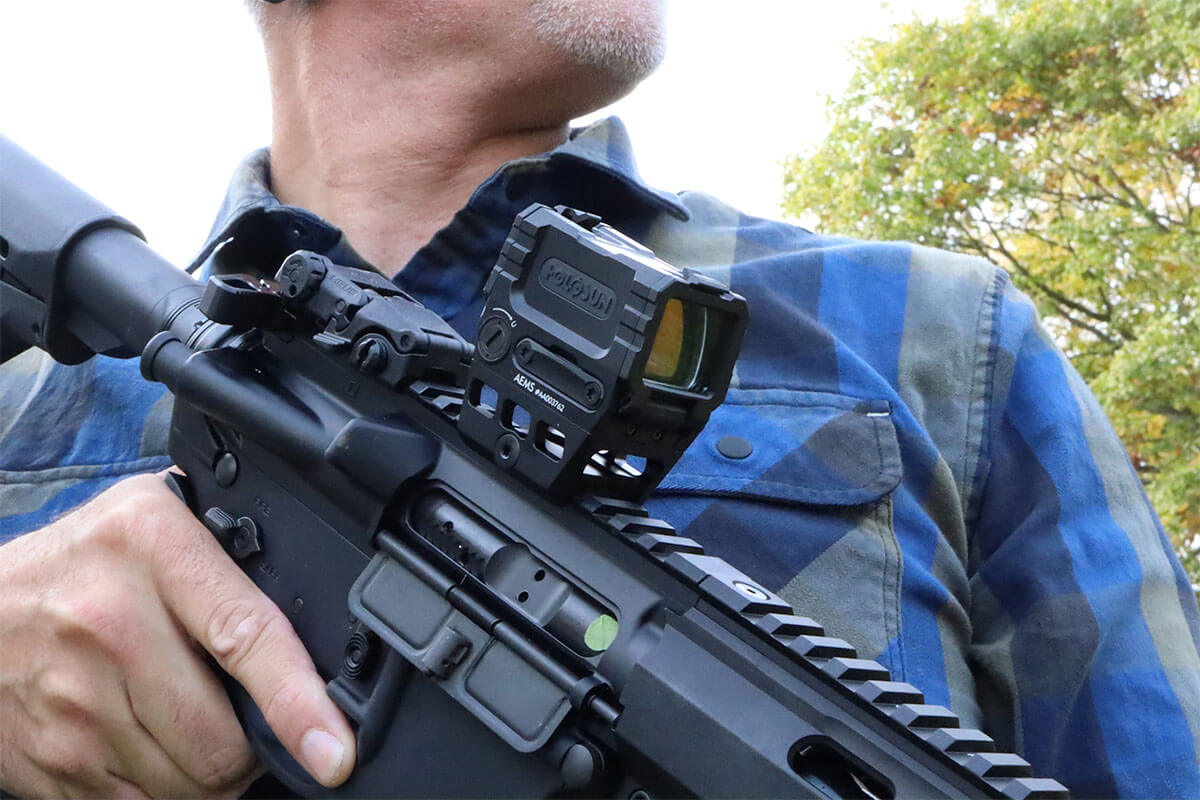
Red dots represent the baseline capability for modern carbines. If your primary concern is speed, simplicity, and reliability at close range, this is the benchmark against which all other optics are measured.


Real-world scenario
A homeowner responding to a potential threat at night inside a house or yard:
- Engagement distances: 5–25 yards
- Lighting: inconsistent
- Shooting position: imperfect
👉 A red dot allows instant target acquisition with both eyes open, no magnification, and no need to “find the sight picture.”
Expert / user perspective
“If I could only have one optic for defensive use under 100 yards, it’s a red dot—no contest.” — common sentiment among law enforcement trainers
Budget & accessibility
- Entry-level: $100–$250 (Holosun, Sig Sauer)
- Mid-tier: $300–$600
- Premium: $700+ (Aimpoint, EOTech)
👉 Best entry point for most shooters due to low cost and ease of use.
🔍 LPVO (Low Power Variable Optics)
Why this category matters
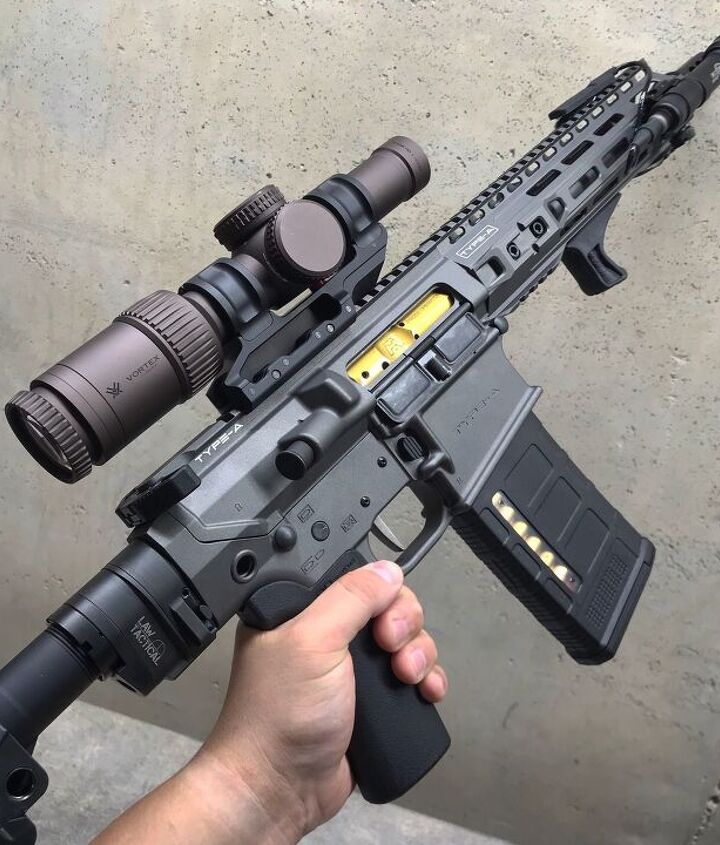
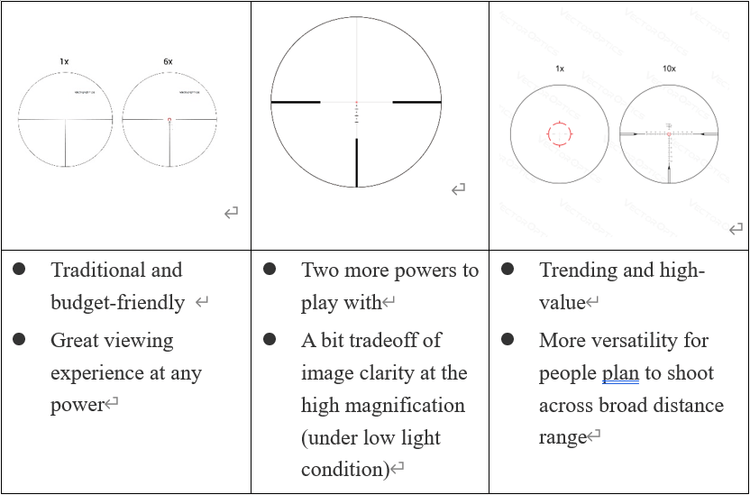
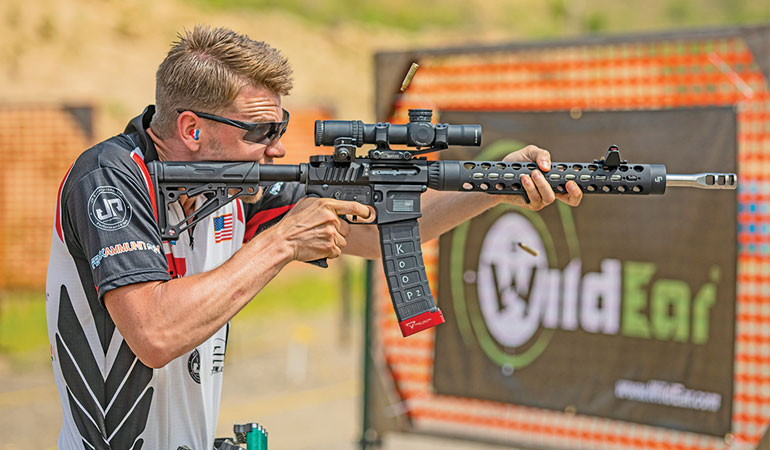
LPVOs are the most versatile optic class, bridging close-quarters speed and mid-range precision. They are often chosen when users want a single optic solution.
Real-world scenario
A rural property owner spotting a coyote at 200 yards:
- Needs identification (is it a threat?)
- Needs precision shot placement
- May also encounter close-range targets
👉 LPVO allows:
- 1x for near targets
- 4x–6x for distance engagement
Expert / user perspective
“LPVOs are the closest thing to a do-it-all optic—but you pay for that flexibility in weight and complexity.”
Budget & accessibility
- Entry-level: $200–$400
- Mid-tier: $500–$1,000
- Premium: $1,200–$2,500+
👉 More expensive and training-intensive than red dots.
🔺 ACOG / Prism Optics
Why this category matters
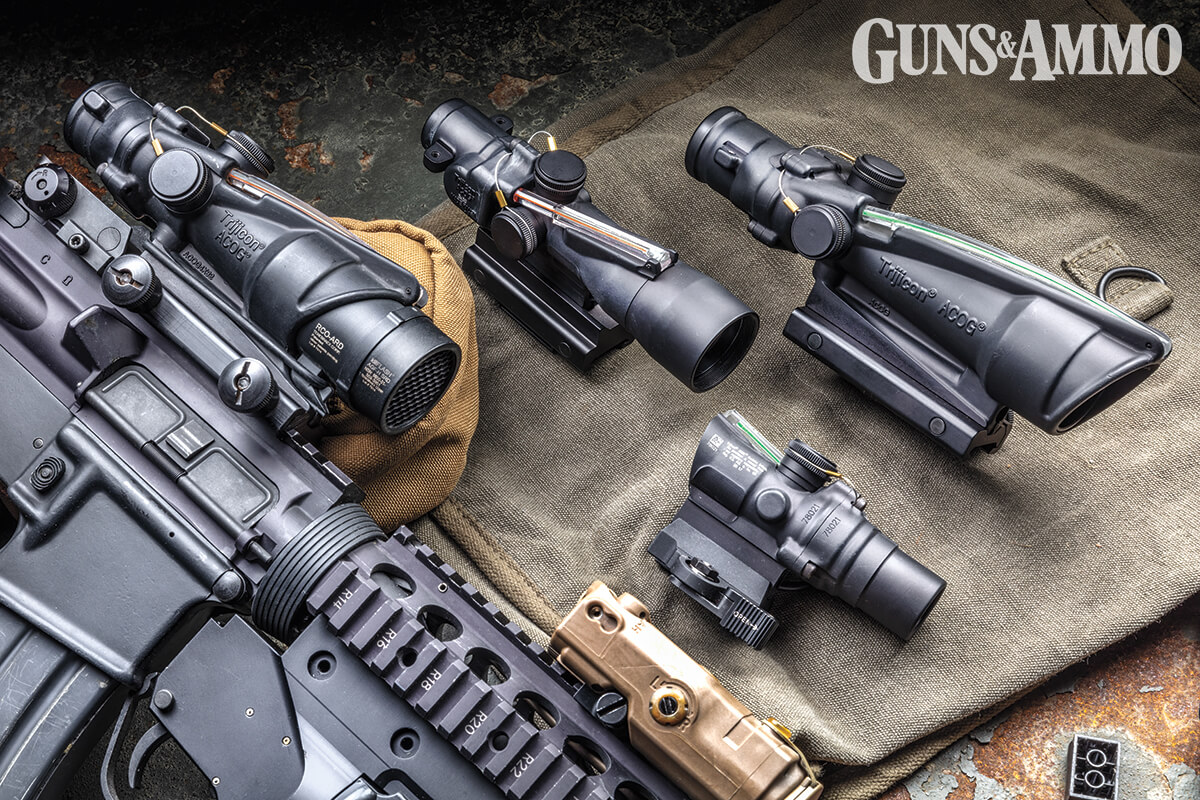
Prism optics like the Trijicon ACOG fill a unique niche: maximum reliability with optimized mid-range performance. They prioritize durability and simplicity over flexibility.


4
Real-world scenario
A deployed military rifleman or rugged field environment:
- Engagements: 100–400 yards
- Conditions: harsh (dust, impact, no battery support)
👉 ACOG provides:
- Always-on illumination (no batteries)
- Built-in BDC reticle for quick range holds
- Extreme durability
Expert / user perspective
“ACOGs aren’t the most flexible—but they’re the most dependable when things go wrong.”
Budget & accessibility
- Budget prism optics: $250–$500 (Primary Arms, Vortex)
- ACOG: $1,000–$1,500+
👉 Higher upfront cost, but long-term reliability is unmatched.
🔭 Traditional Rifle Scopes
Why this category matters
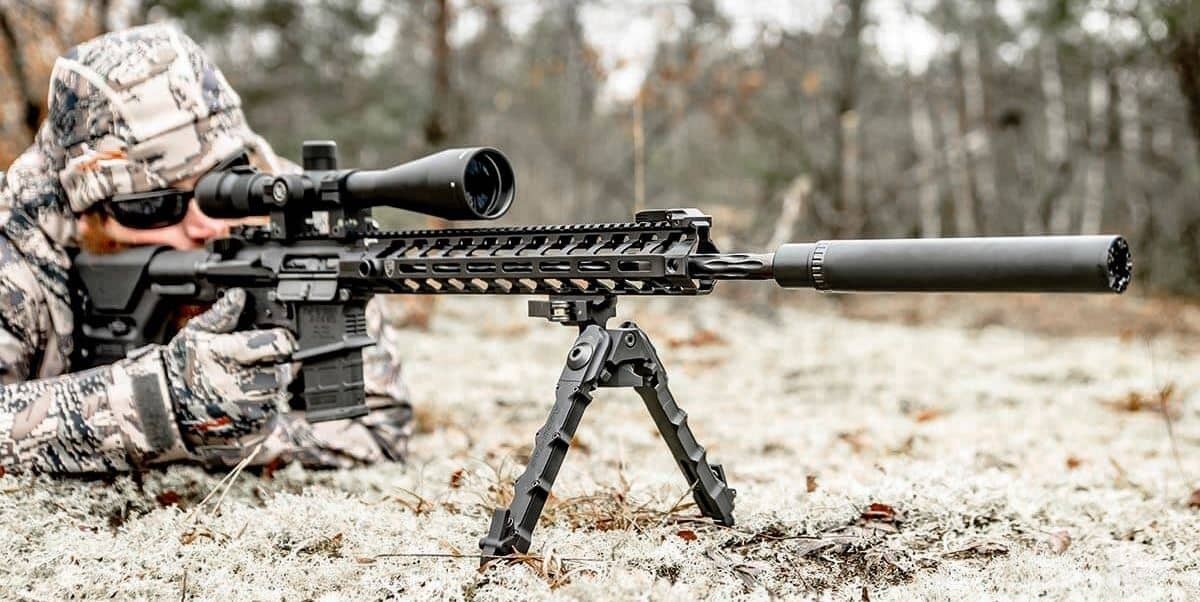
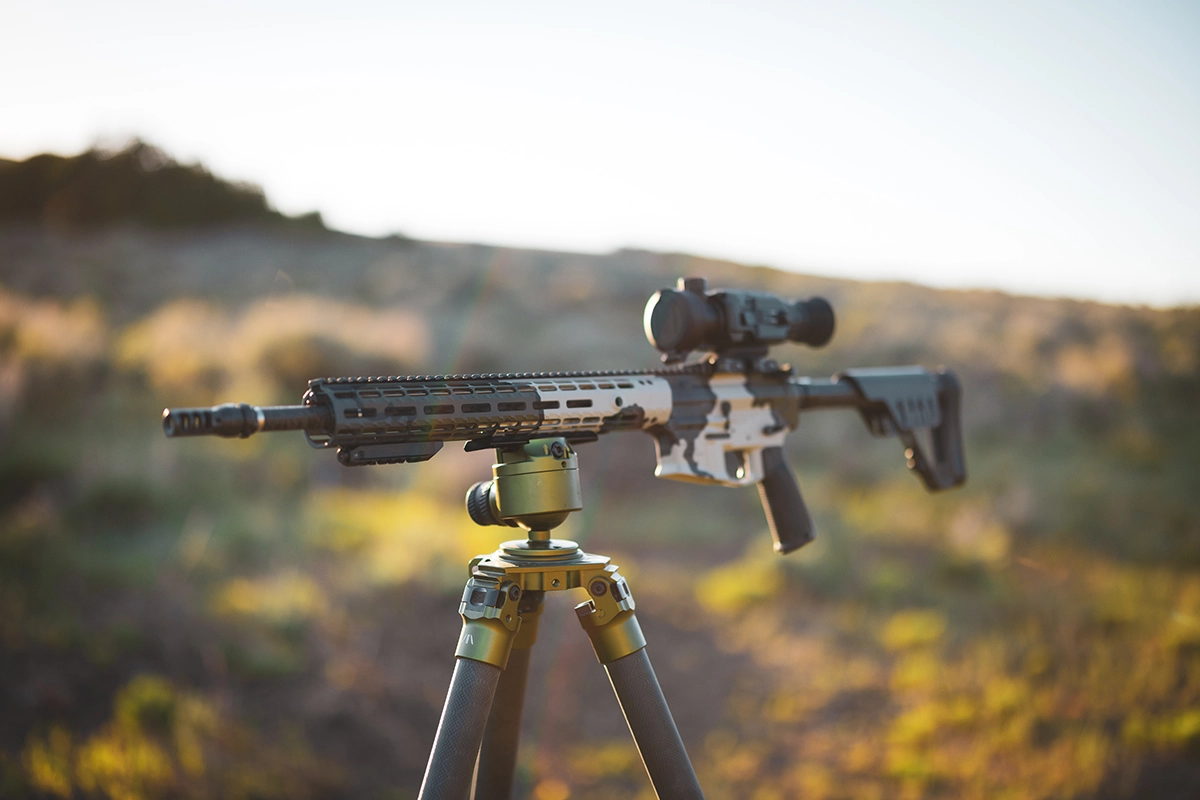
Traditional scopes exist for a specific purpose: precision at distance. They are not general-purpose optics but excel in controlled environments.
4
Real-world scenario
A shooter engaging targets at 400–600 yards from a supported position:
- Requires magnification and clarity
- Speed is irrelevant
- Stability is prioritized
👉 Traditional scopes deliver:
- Maximum precision
- Superior glass clarity
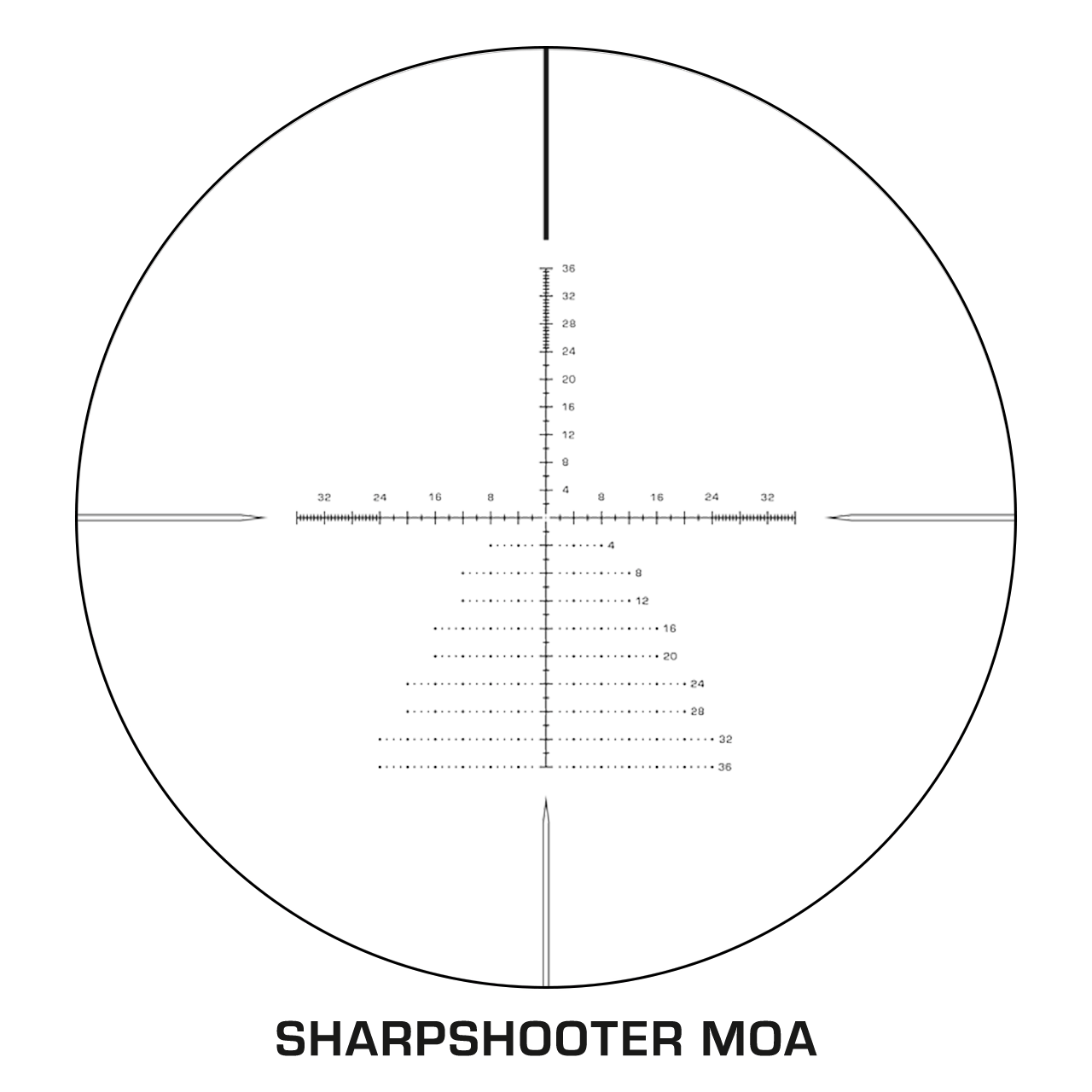
- Fine reticle control
Expert / user perspective
“If your goal is accuracy at distance, nothing replaces a proper magnified scope.”
Budget & accessibility
- Entry-level: $150–$400
- Mid-tier: $500–$1,200
- Premium: $1,500+
👉 Often overlaps in price with LPVOs but serves a narrower purpose.
⚖️ Comparative Overview (Visual Summary)
Key Performance Comparison
| Category | Close Range | Mid Range | Long Range | Ease of Use | Weight | Flexibility |
|---|---|---|---|---|---|---|
| 🔴 Red Dot | ⭐⭐⭐⭐⭐ | ⭐⭐ | ⭐ | ⭐⭐⭐⭐⭐ | ⭐⭐⭐⭐⭐ | ⭐⭐ |
| 🔍 LPVO | ⭐⭐⭐⭐ | ⭐⭐⭐⭐⭐ | ⭐⭐⭐⭐ | ⭐⭐⭐ | ⭐⭐ | ⭐⭐⭐⭐⭐ |
| 🔺 ACOG | ⭐⭐⭐ | ⭐⭐⭐⭐⭐ | ⭐⭐⭐ | ⭐⭐⭐⭐ | ⭐⭐⭐ | ⭐⭐ |
| 🔭 Scope | ⭐ | ⭐⭐⭐⭐ | ⭐⭐⭐⭐⭐ | ⭐⭐⭐ | ⭐⭐ | ⭐ |
👉 Interpretation:
- More stars = stronger performance in that category
- No optic dominates all categories
🧠 Decision Guidance (Putting It All Together)
Key Factors to Evaluate
- Distance: Where will you actually shoot?
- Speed vs Precision: Reaction vs accuracy priority
- Environment: Indoor, outdoor, rugged, controlled
- Budget: Entry vs long-term investment
- Training Commitment: Simplicity vs capability
✅ Quick Recommendations (Executive Summary)
- Choose Red Dot if:
- You prioritize speed and simplicity
- Most shooting is under 100 yards
- You want the easiest and most affordable entry point
- Choose LPVO if:
- You want one optic to cover most scenarios
- You regularly shoot 100–400+ yards
- You are willing to accept weight and complexity
- Choose ACOG / Prism if:
- You prioritize durability and reliability
- You operate primarily in the 100–400 yard range
- You prefer a “set it and forget it” optic
- Choose Traditional Scope if:
- Your focus is precision shooting at distance
- You shoot from stable positions
- Speed is not a priority
Final Thought
Every optic represents a tradeoff curve, not a hierarchy. The most effective choice is the one that aligns with how the rifle will actually be used—not how it might be used.
If needed, the next step is to narrow this down further into specific product recommendations by budget and rifle configuration, which is where this decision becomes truly actionable.